

Menu
At Beaveroo, We can grind any tree species stump—hardwood or softwood—handling every level of wood density and stump size with precision. Fast, clean, and built for even the toughest stumps.
Taking Down The Toughest Stumps!
Use the quick links below to navigate to the section you're most interested in learning about:
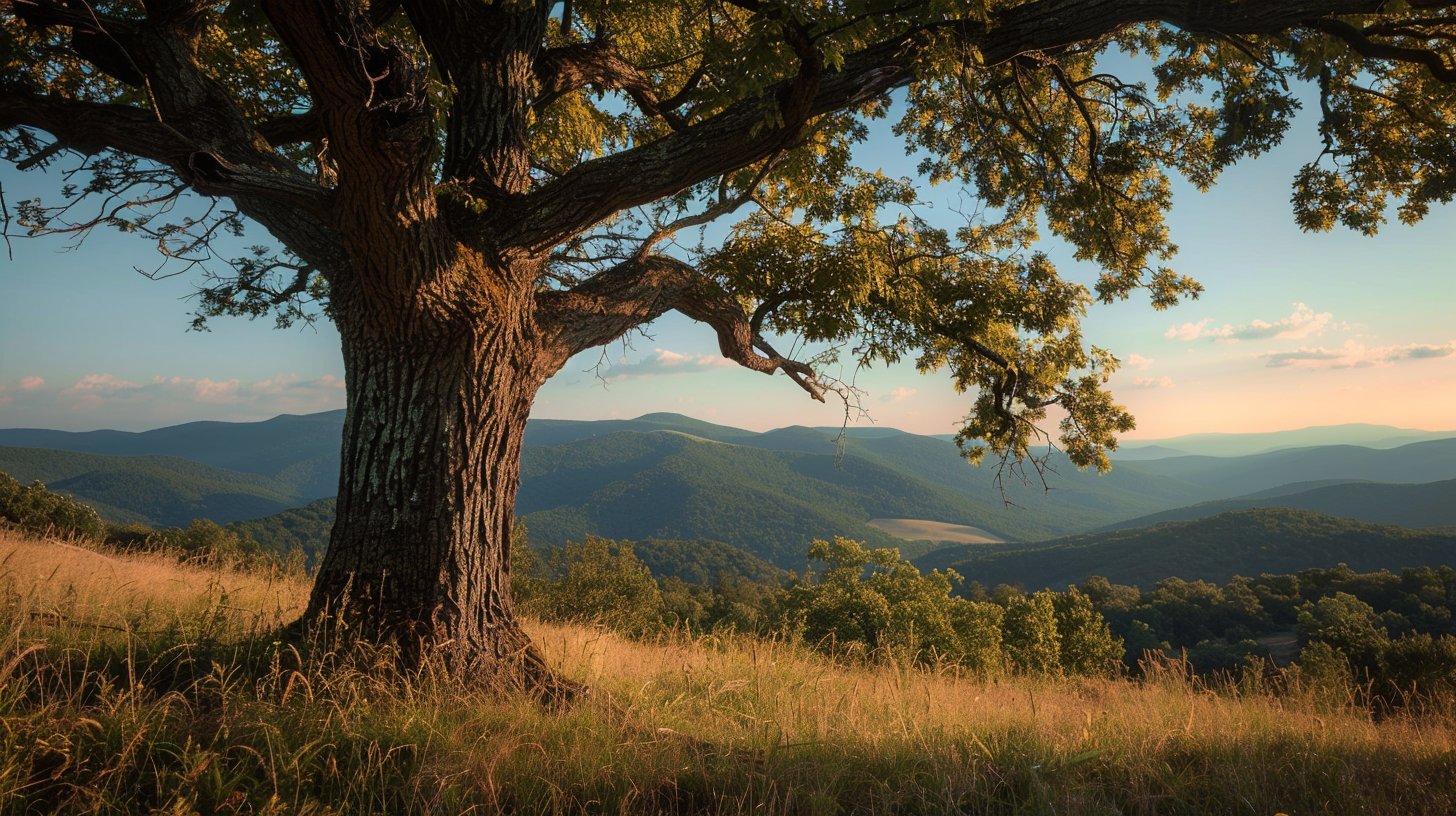
Tough & Durable
Stump Grinding Difficulty Rating: 9/10
Oak stumps are known for exceptional hardness, dense grain structure, and deep lateral roots, making them some of the toughest stumps to grind. Their slow-decaying hardwood resists rot and dulls blades faster than softer species. Professional grinding ensures full removal, clean leveling, and prevents regrowth, pest harborage, and lawn damage—a major advantage when dealing with stubborn oak stumps.
Root System Complexity:
Homeowners often struggle with wide flare bases, sprawling root networks, and thick taproots that make DIY removal nearly impossible.
Dense and Resilient
Stump Grinding Difficulty Rating: 8/10
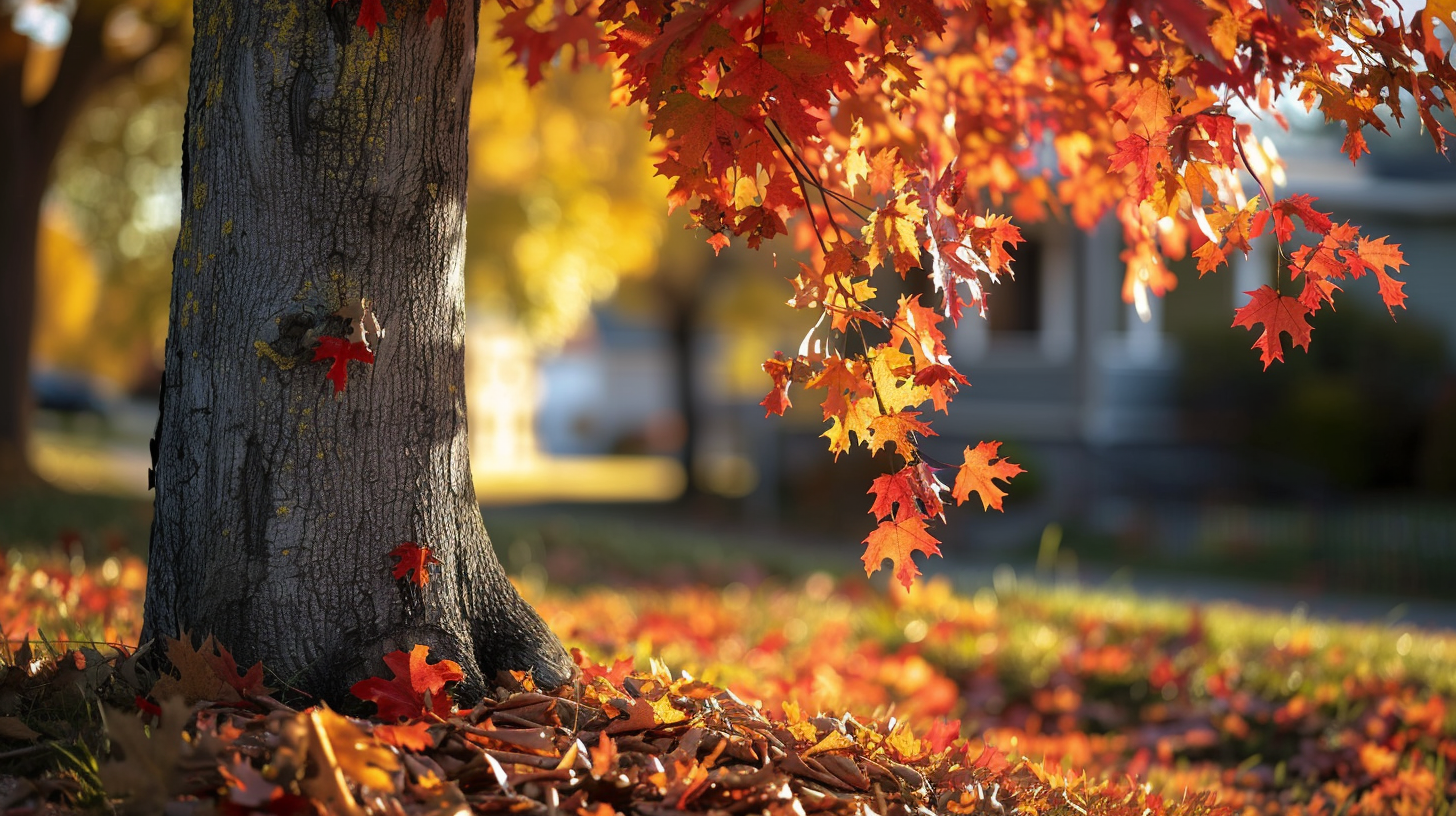
Maple stumps are known for their medium-to-hard wood density, which grinds easier than oak but still offers resistance due to their tight grain and moisture-rich core. Their roots often spread wide and shallow, creating surface-level root mats that can interfere with lawns, sidewalks, and landscaping.
Regrowth Potential:
Maple stumps also tend to sprout aggressively, leading to unwanted regrowth if not fully ground out. Professional stump grinding removes the stump and feeder roots, preventing suckering, pest issues, and turf disruption common with maple trees.
Sticky But Manageable
Stump Grinding Difficulty Rating: 6/10
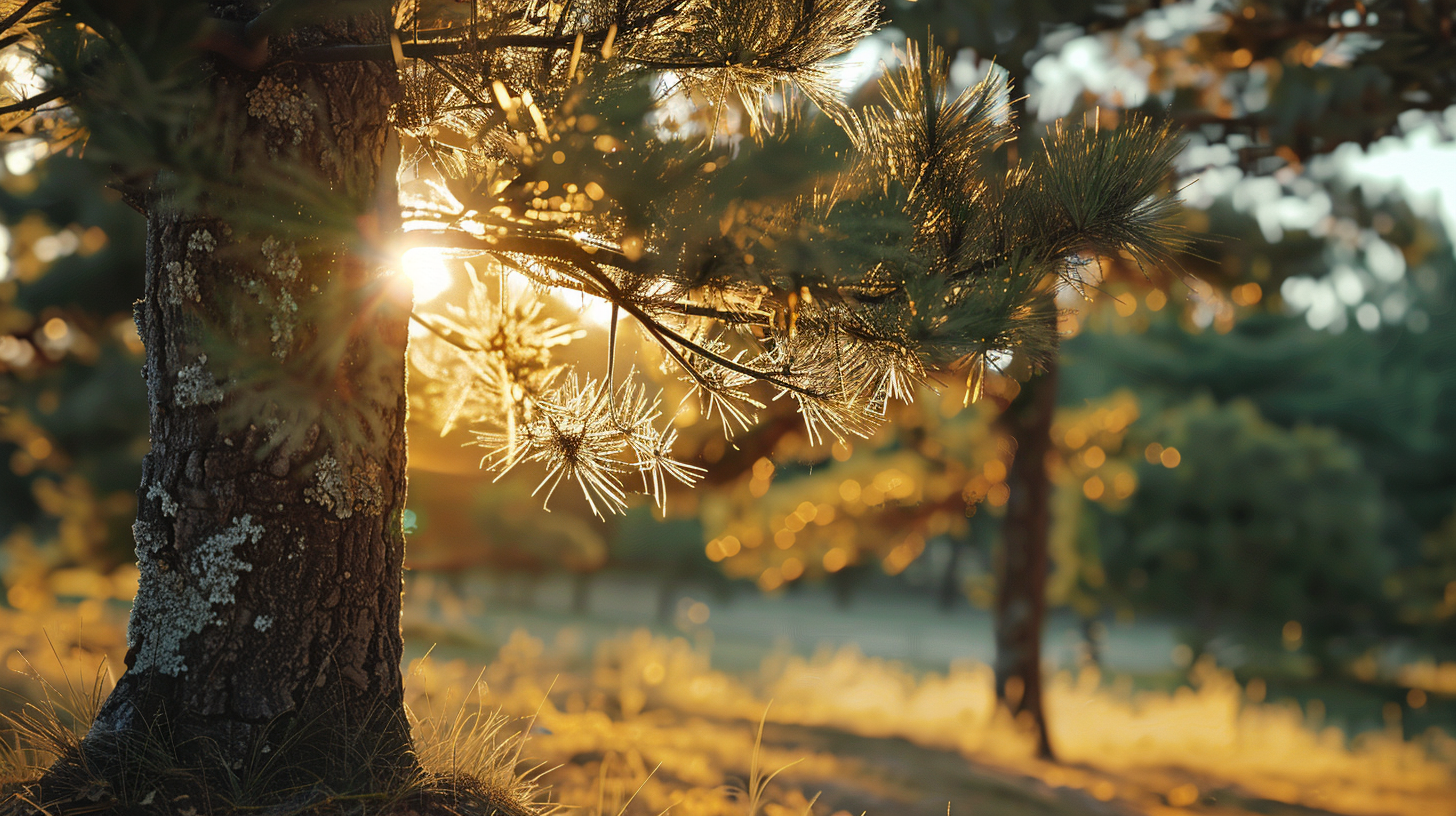
Pine stumps are typically softwood with high resin content, which makes them easier to grind but challenging in other ways. Their sap-heavy core can gum up equipment, and their wide, shallow root systems often spread unpredictably across lawns and driveways. Pine stumps also decay slowly because of their resin, attracting carpenter ants, termites, and root fungus if left in place. Professional grinding clears the stump cleanly, removes stubborn surface roots, and prevents pest infestation, lawn bumps, and long-term rot issues that pine varieties commonly cause.
Durable and Persistent
Stump Grinding Difficulty Rating: 8/10
Black walnut stumps are notoriously tough due to their dense, oily hardwood, which grinds slower and wears down teeth faster than most species. Their deep taproot and thick lateral roots make removal more complex, often extending far into yards and garden beds. Black walnut also contains juglone, a natural toxin that disrupts surrounding plant growth, making fast removal important for healthy landscaping. Professional grinding eliminates the stump, stops root spread, soil toxicity issues, and pest attraction, and restores the area for replanting or lawn repair.
Allelopathic Properties:
Black Walnut trees produce a chemical called juglone, which can inhibit the growth of other plants nearby. This makes it essential to thoroughly remove the stump and roots to prevent any negative impact on future plantings in the area.

Hard and Resilient
Stump Grinding Difficulty Rating: 9/10
The dense and tough wood of locust tree stumps, combined with deep and extensive root systems, makes them very difficult to grind. Professional-grade equipment and expertise are required to handle these resilient stumps effectively.
Regrowth and Spread:
Locust trees can sprout new growth from their roots, leading to potential regrowth if the stump is not thoroughly ground and treated. Their extensive root systems can also spread, making it important to manage any regrowth promptly to prevent further issues.
Tough & Tenacious
Stump Grinding Difficulty Rating: 9/10
Hickory stumps are known for their extremely hard wood and dense root systems, making them one of the most challenging stumps to grind. Specialized, heavy-duty equipment is required to effectively grind these stumps.
Time-Consuming Process:
Due to the hardness of the wood and the complexity of the root system, grinding hickory stumps can be a time-consuming process. This requires skilled operators to ensure that the stump and roots are thoroughly removed.
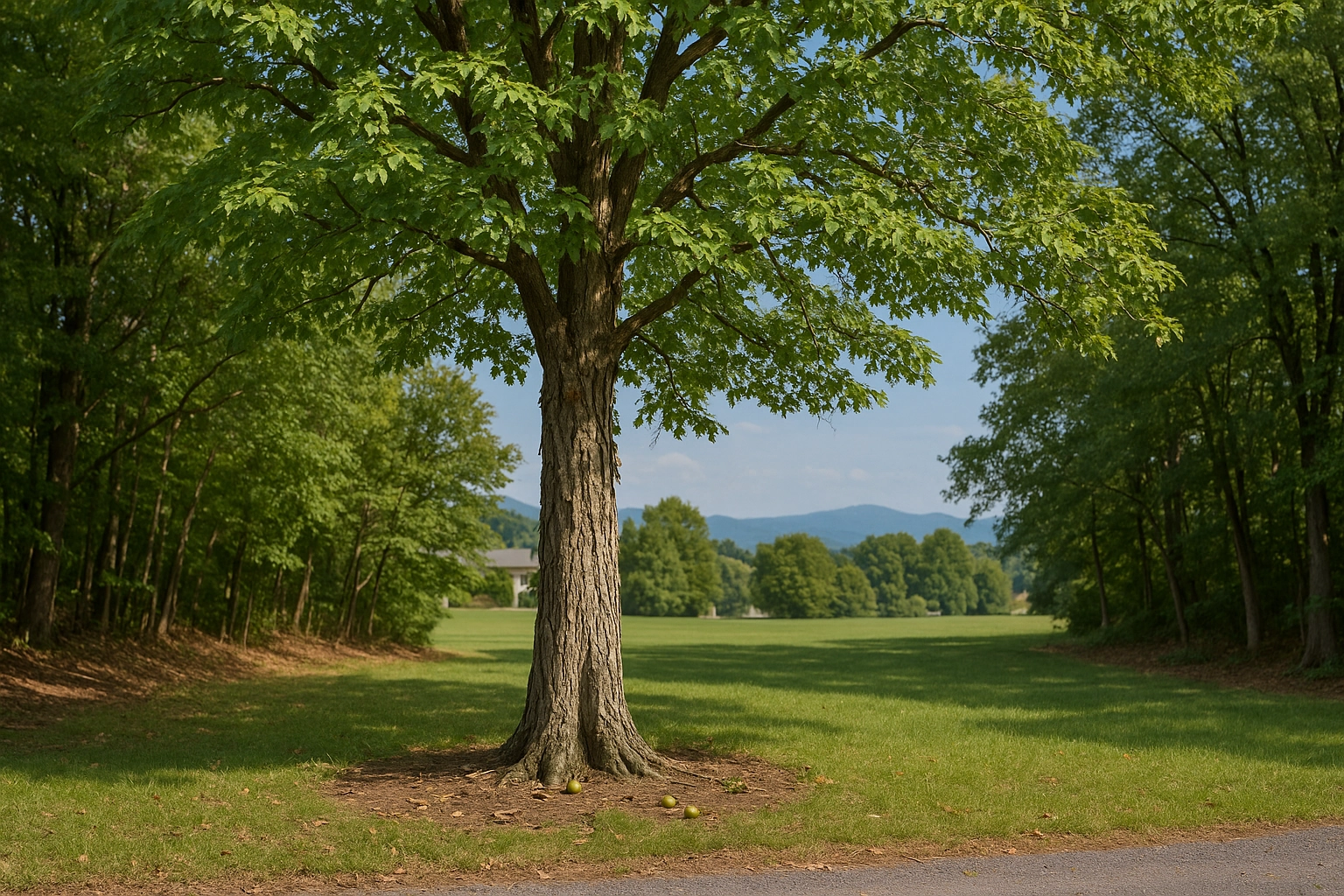
Oak stumps have very hard and dense wood, which makes them tough to grind. Their extensive and complex root systems also add to the difficulty, requiring powerful, heavy-duty equipment for thorough removal.
Maple stumps are challenging due to their dense wood and extensive root systems that spread widely. Additionally, maple trees have a high potential for regrowth, meaning new shoots can quickly sprout if the stump is not properly ground and treated.
Pine stumps are generally softer than hardwood stumps, making them easier to grind. However, the high resin content in pine wood can cause the grinding equipment to become sticky, requiring more frequent maintenance and making cleanup more challenging.
Locust stumps have very dense and tough wood, combined with deep and extensive root systems. This makes them difficult to grind, requiring professional-grade equipment and expertise to handle these resilient stumps effectively.
Hickory stumps are exceptionally hard and have dense root systems, making them one of the most challenging stumps to grind. The hardness of the wood and the complexity of the root system mean that grinding hickory stumps can be a time-consuming process that requires skilled operators and heavy-duty equipment.