

Menu
After having your stumps ground by Beaveroo, there are several steps you can take to make the most out of our service.
Use the quick links below to navigate to the section you're most interested in learning about:
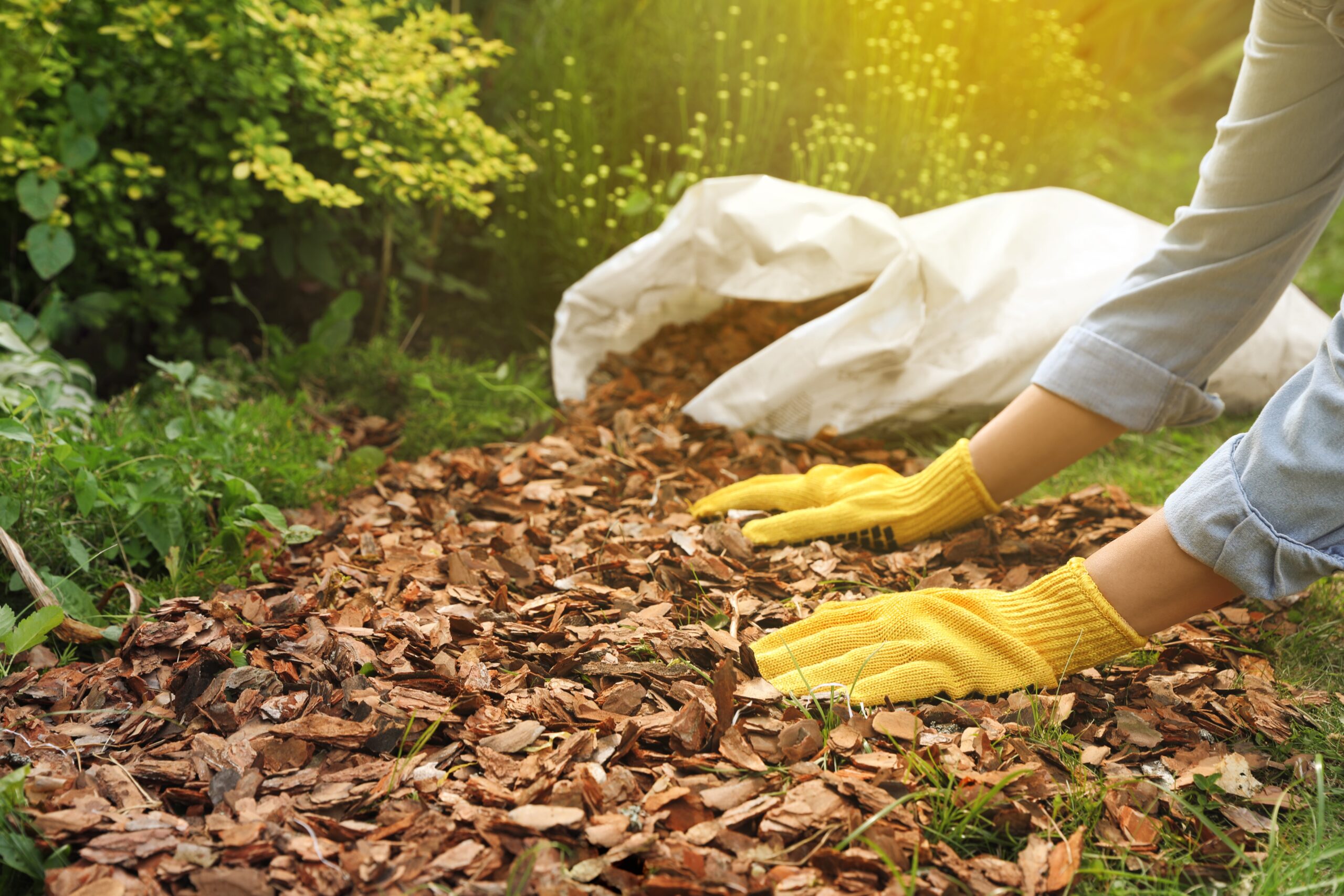
Mulch:
Spread the wood chips around your garden beds to help retain moisture, suppress weeds, and regulate soil temperature. Mulching also adds organic matter to the soil as it decomposes, enriching your garden over time.
Compost:
Add the wood chips to your compost pile. Mixing them with green compost materials helps balance the carbon-to-nitrogen ratio, creating rich, fertile compost for your garden.
Pathways:
Use the wood chips to create natural pathways through your garden or yard. This not only provides a clean, aesthetically pleasing look but also helps reduce soil erosion and compaction in high-traffic areas.
Apply Herbicide:
If we just grinded an invasive tree species like Bradford Pear (or any other tree or bush that spreads by roots.) treat the area with a suitable herbicide immediately after grinding to kill any remaining roots. This prevents new shoots from emerging and ensures that the stump does not regrow. Follow the manufacturer’s instructions for safe and effective application.
Cover with Mulch:
Apply a thick layer of mulch over the area where the stump was removed. Mulch helps to smother any remaining roots and prevent them from sprouting. Additionally, mulch improves soil quality and helps retain moisture, which benefits your garden overall.

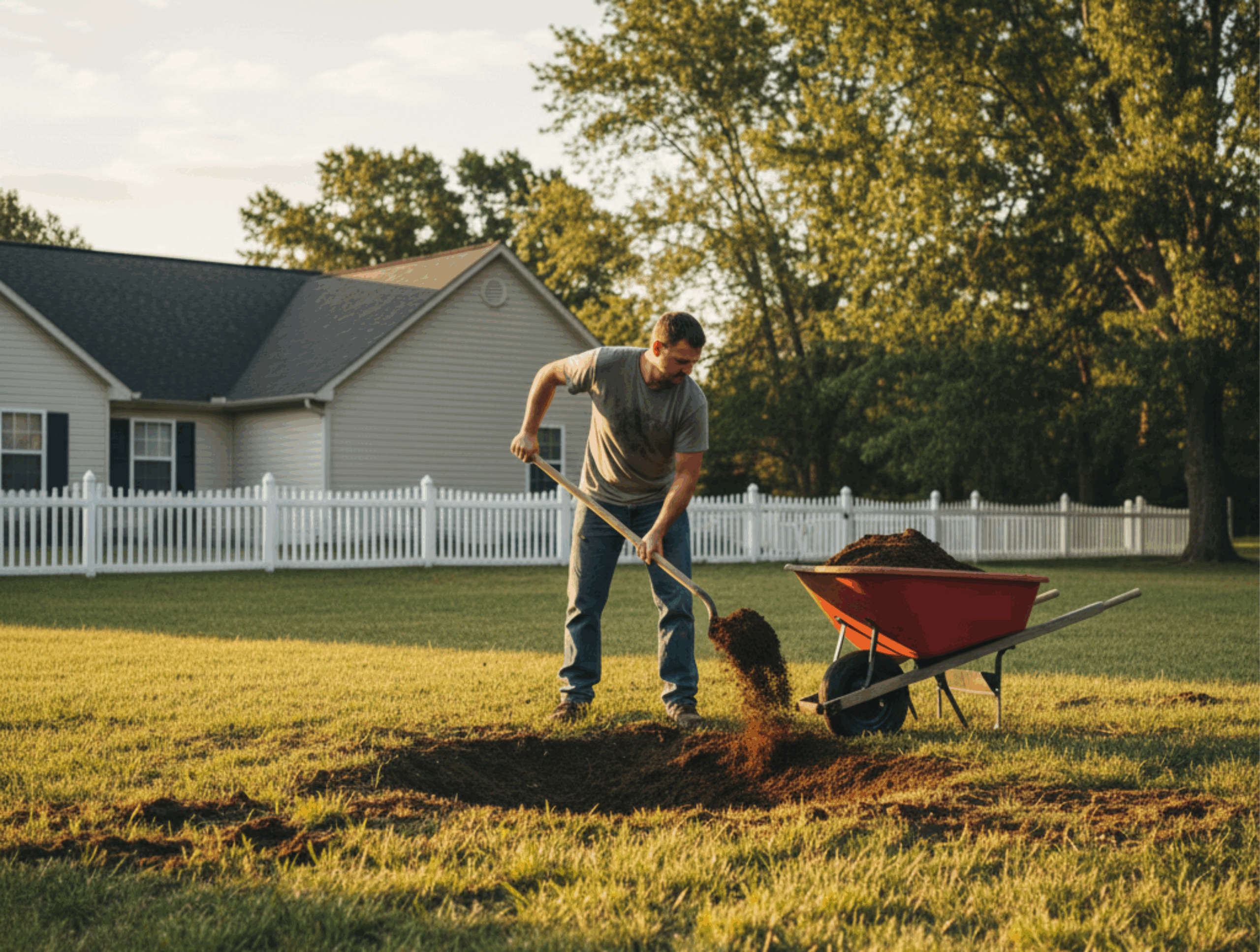
After the stump grinding process, you’ll be left with a hole that needs to be filled to maintain the beauty and functionality of your landscape. Here are two effective tips to help you fill the hole:
Topsoil:
Fill the hole with high-quality topsoil, ensuring it is compacted to prevent settling. This creates a solid base for future plantings or lawn restoration. Use a shovel to spread the soil evenly, then tamp it down lightly to reduce air pockets and ensure stability.
Grass Seed:
If you want to restore your lawn, plant grass seed over the filled hole. Choose a grass seed variety that matches your existing lawn for a seamless look. Water the area regularly until the grass is established, which usually takes a few weeks. This will help the new grass blend in with the rest of your yard.
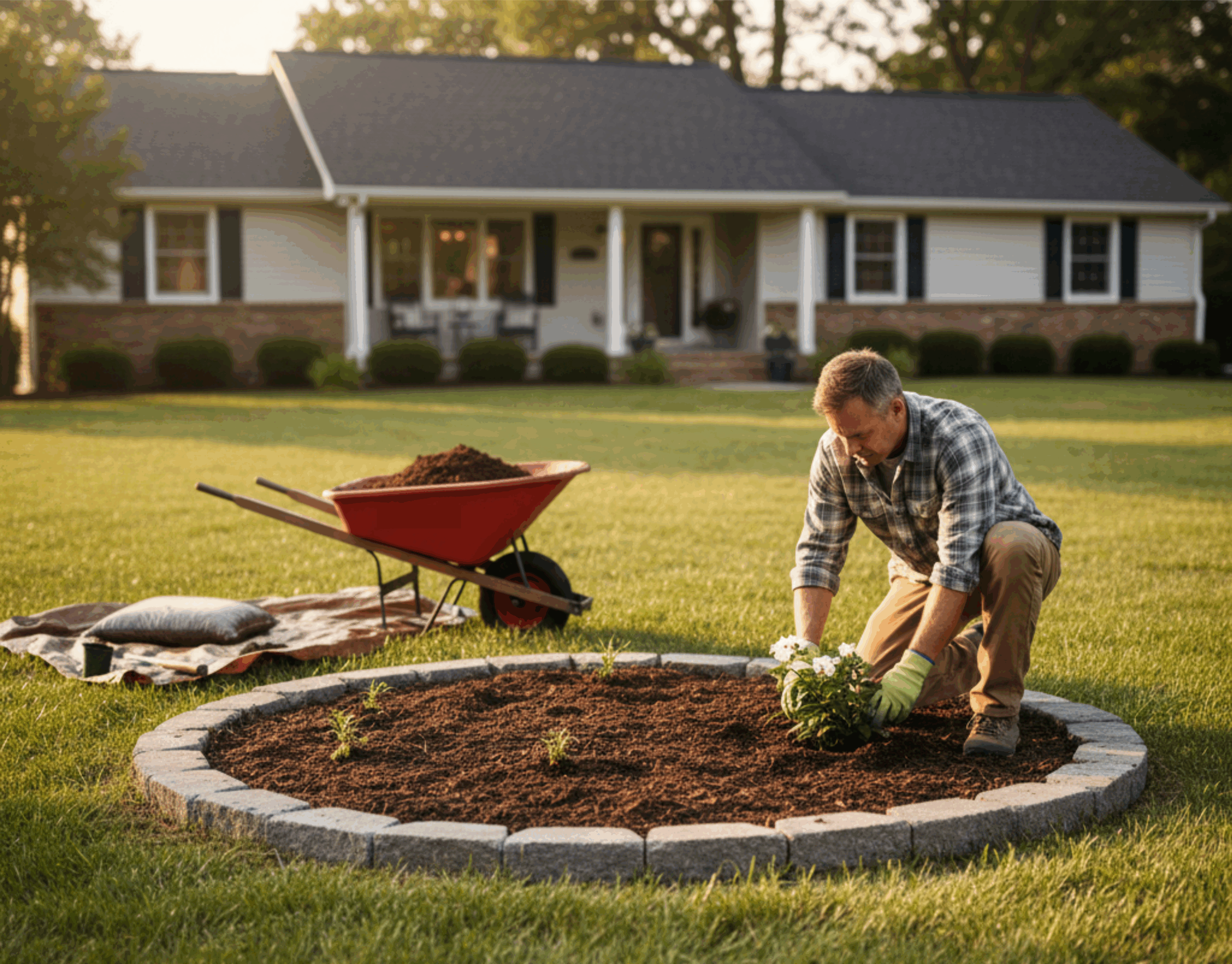
Once the stump grinding is complete, planning new plantings can enhance the beauty and functionality of your yard. Here are two key tips to help you get started:
Choose the Right Plants:
Select plants that thrive in your local climate and soil conditions. Consider native species that are well-suited to the Shenandoah Valley, as they will require less maintenance and be more resilient. Think about the overall design of your landscape and choose plants that complement each other in terms of color, size, and growth habits.
Prepare the Soil:
Before planting, prepare the soil by adding organic matter such as compost or well-rotted manure. This improves soil structure, fertility, and water retention, providing a healthy environment for your new plants. Ensure the planting area is well-drained and free of debris to promote root growth and plant health.
Improving the soil quality in the location of the old stump is crucial for the health of your future plantings. Here are two effective tips to enhance the soil in this specific area:
Add Organic Matter:
Incorporate organic matter such as compost, well-rotted manure, or leaf mold directly into the soil where the stump was removed. This enriches the soil with essential nutrients, improves its structure, and promotes healthy microbial activity. Organic matter helps retain moisture and supports robust plant growth in the newly cleared area.
Soil Testing and Amendment:
Conduct a soil test in the location of the old stump to determine its pH level and nutrient content. Based on the results, add the necessary amendments to balance the soil. For example, if the soil is too acidic from the decaying stump, adding lime can help raise the pH. Properly amended soil in this specific area ensures it is ready to support new plantings.
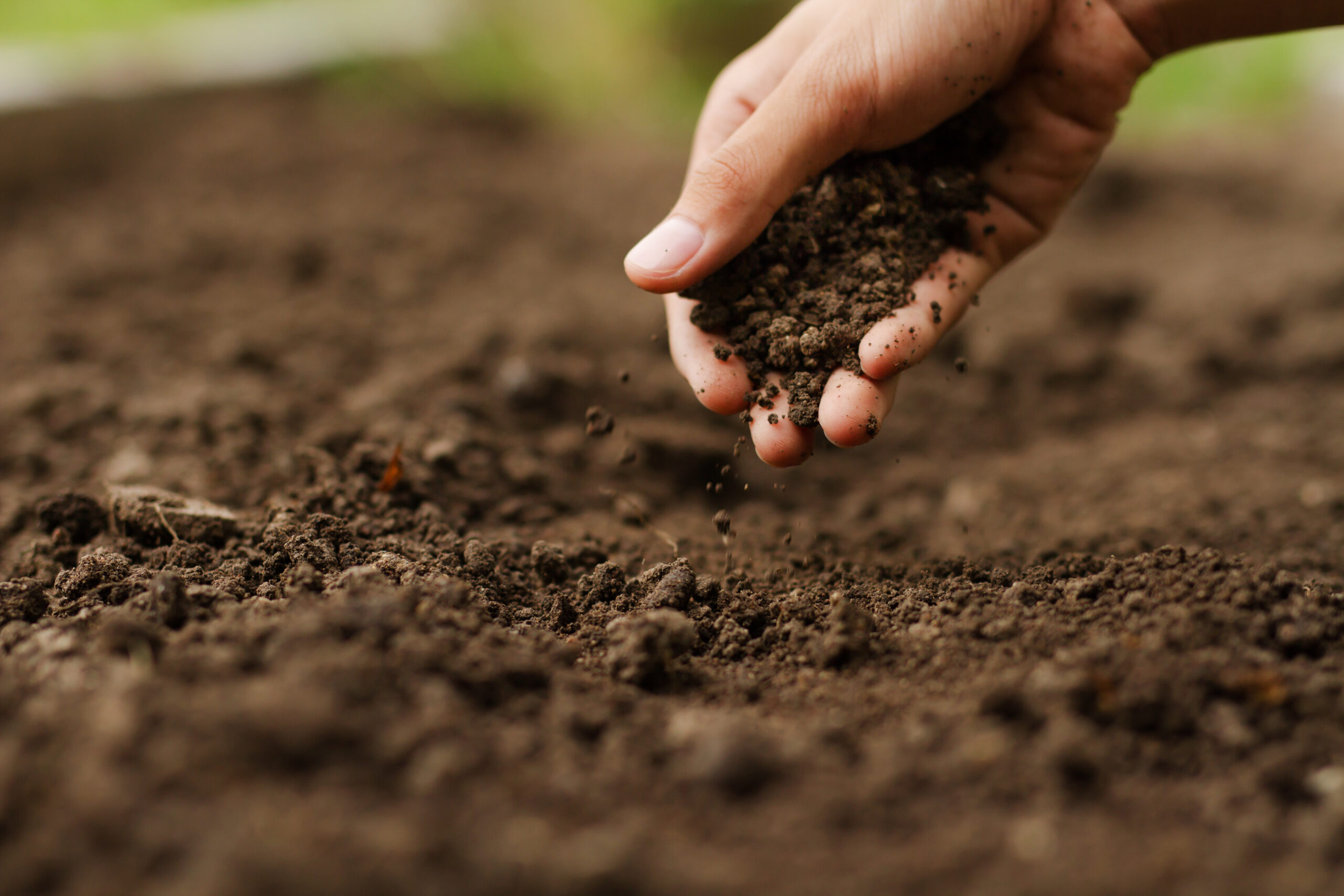
You can usually plant new trees or shrubs within a few weeks to a few months after grinding. The key is making sure the soil is balanced and free from excess wood chips. Our team can prep the area for you, so your new plants thrive right away.
Regrowth happens when parts of the root system are still alive. The best way to stop it is by treating any new shoots quickly. We can apply the right treatments and keep an eye on the area to ensure regrowth doesn’t return.
We recommend keeping an eye on the site weekly for the first couple of months. Spotting ants, termites, or other pests early makes them easier to manage. If you’d like, Beaveroo can check the area and apply preventive treatments for peace of mind.
A fresh layer of mulch or a pre-emergent treatment will help keep weeds from taking over. Regular maintenance is also important. Want it handled without the hassle? We can take care of the mulching and weed control for you.
A soil test is the surest way to know. It reveals if your soil needs compost, lime, or other adjustments. Beaveroo can handle testing and soil prep, ensuring the ground is ready for whatever you want to plant next.