

Menu
Neglecting stumps on your property can lead to a variety of issues that affect both the health of your landscape and the safety of your surroundings.
Neglecting a stump can lead to various problems that affect your property. Here are the top 5 harmful effects:
Pest Infestations:🐜
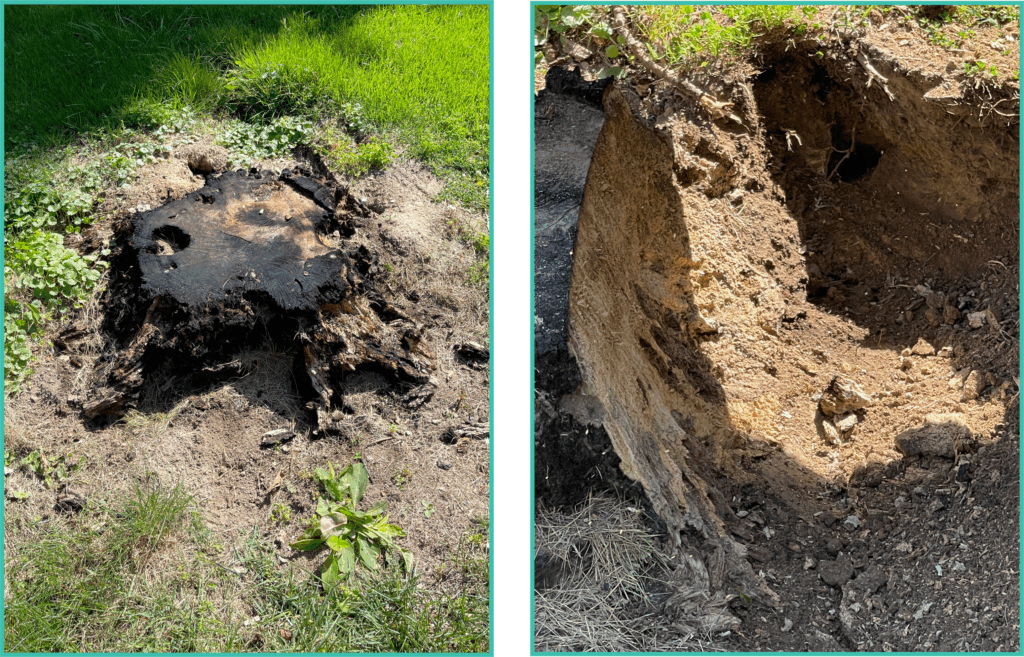
Decaying stumps attract pests like termites, ants, and beetles, which can spread to healthy trees and structures.
Safety Hazards: ⚠️
Stumps can be tripping hazards, especially in high-traffic areas, leading to potential injuries.
Disease Spread: 🦠
Old stumps can harbor diseases that can spread to other trees and plants, compromising your landscape’s health.
Regrowth Issues: 🌱
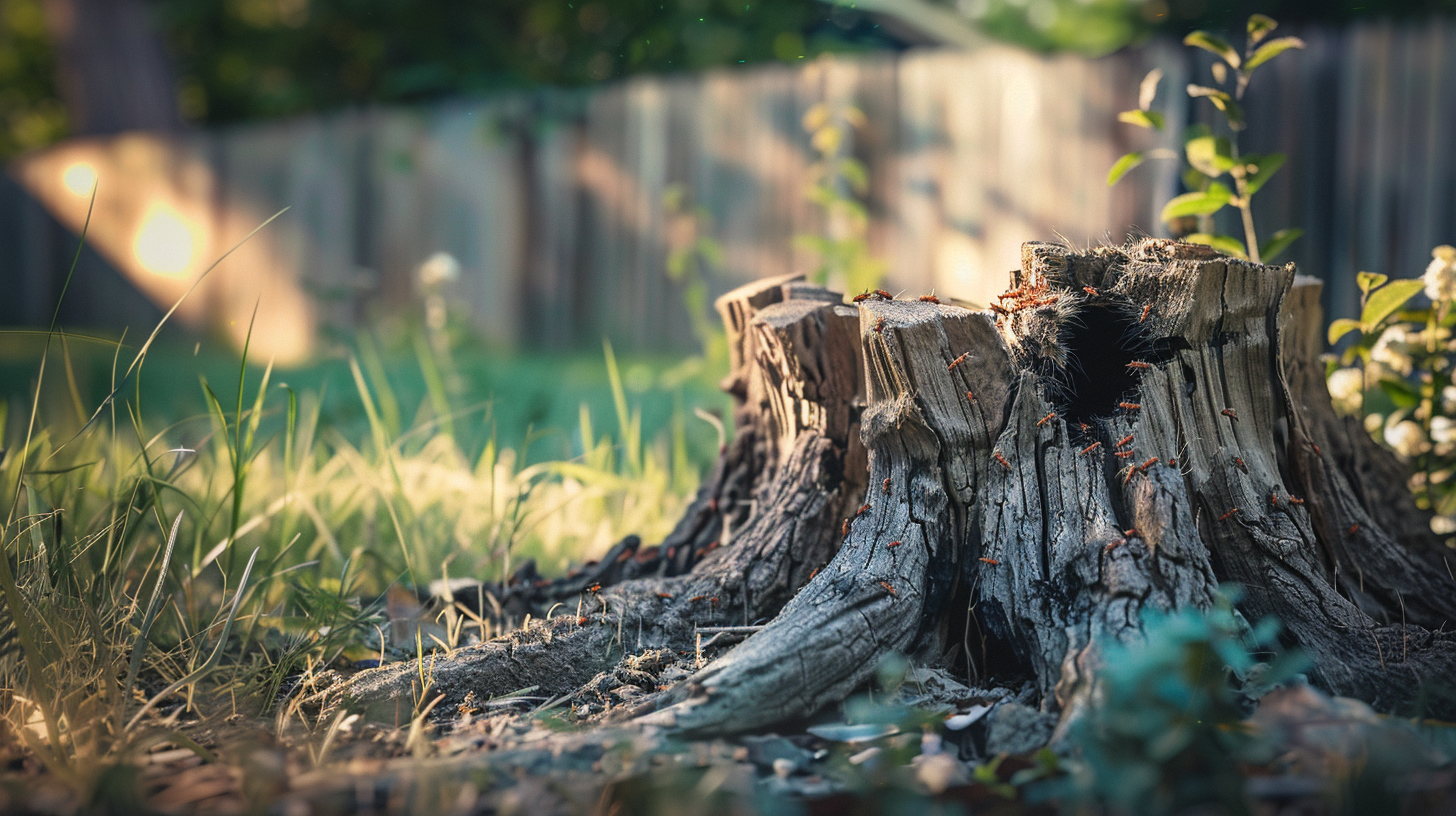
Untreated stumps can sprout new shoots, leading to unwanted tree regrowth.
Aesthetic Decline: 📉
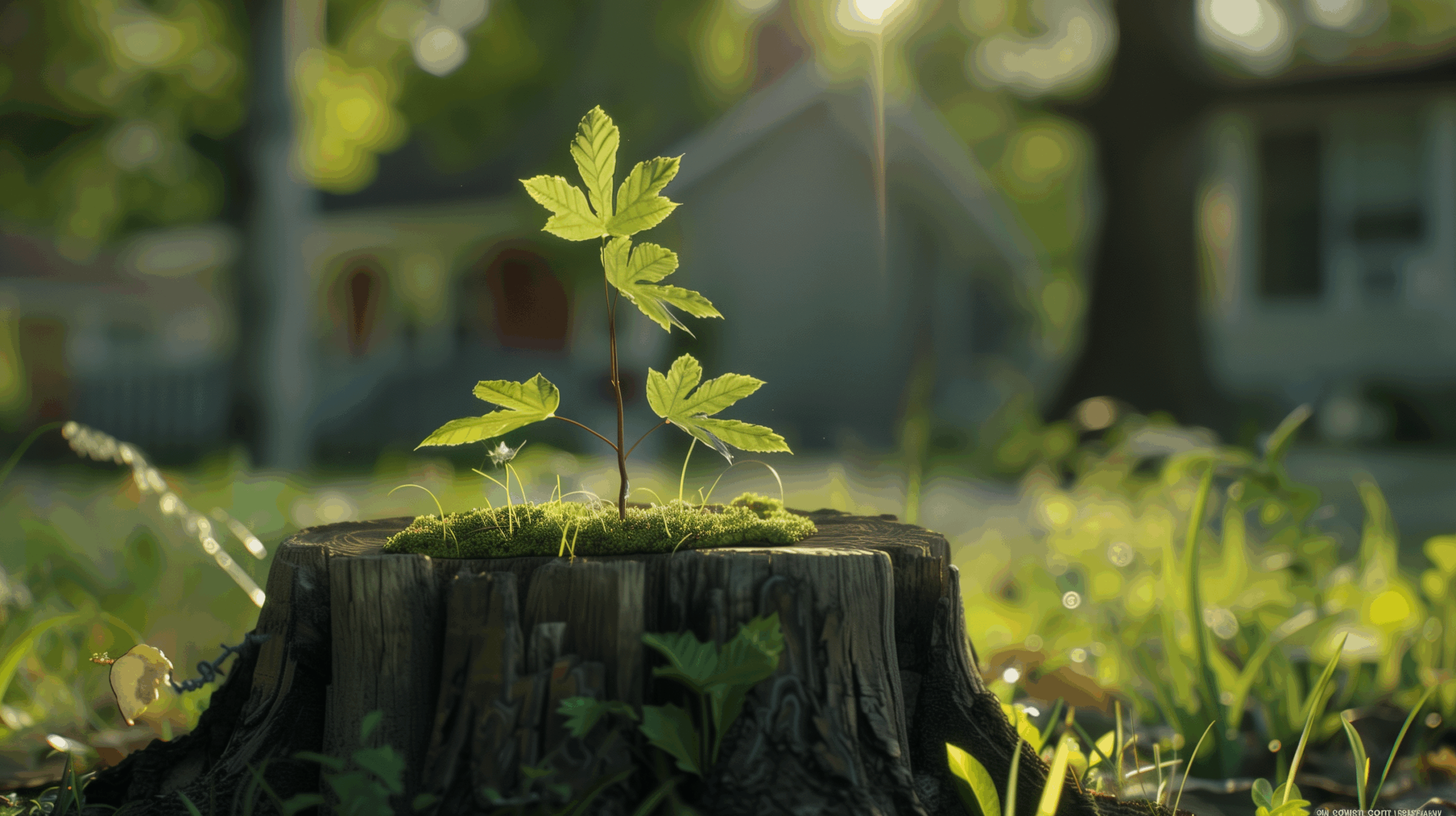
Stumps are unsightly and can detract from the overall appearance of your property.
Use the quick links below to navigate to the section you're most interested in learning about:
A Breeding Ground for Trouble
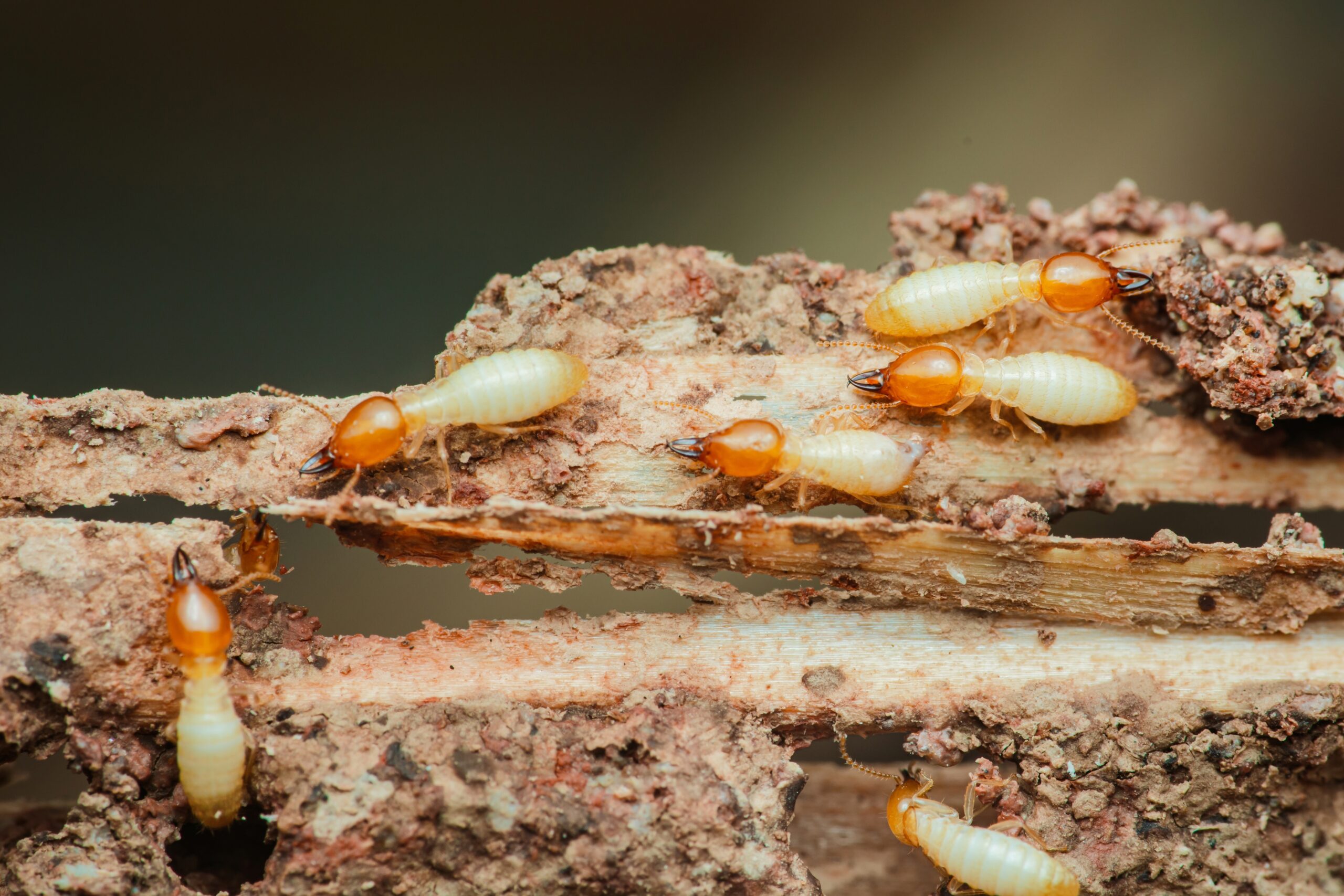
If you have an old stump sitting in your yard in Harrisonburg, Staunton, or Waynesboro, you aren’t just looking at a piece of wood—you’re looking at a “Pest Hotel.” As wood decays, it becomes the perfect breeding ground for insects that can eventually migrate from your yard into your home.
At Beaveroo, we believe the best way to handle a pest problem is to remove the source before it starts.
Termites love moisture and decaying wood. A stump in Augusta County provides a direct “base camp” for termite colonies to grow. Once they’ve exhausted the stump, they follow the root system—which often extends near your home’s foundation—to find their next meal: your house.
Unlike termites, carpenter ants don’t eat the wood, but they hollow it out to build massive nests. A stump in a Rockingham County backyard is prime real estate for them. Once a colony is established, they often forage inside nearby structures (like your kitchen) for food.
Old stumps are a favorite for beetles that lay eggs in the soft, decaying bark. These pests can spread to your healthy trees, causing secondary “dieback” and even more expensive tree removals down the road.
It’s not just insects. The hollows and gaps created as a stump roars provide perfect nesting spots for mice, rats, and even snakes. If you have kids or pets playing in your Waynesboro yard, you don’t want these critters living just a few feet away.
Don’t wait for a costly visit from an exterminator. Beaveroo’s high-powered stump grinding:
Destroys the Nest: We pulverize the wood, instantly eliminating the habitat for these pests.
Removes the Food Source: By turning the stump into fine mulch, we accelerate the drying process, making the area unattractive to moisture-loving insects.
Protects Your Home: Removing stumps near your foundation is one of the smartest “preventative strikes” you can take against wood-destroying organisms.
Protect your home from the ground up. Call Beaveroo today for professional stump grinding in Harrisonburg, Waynesboro, and Staunton!
Protect Your Property
You finally got that problem tree removed—congratulations! But now you’re left with a stubborn stump in the middle of your yard. While it might seem harmless, leaving a stump behind is a gamble that most Augusta County homeowners can’t afford to take.
At Beaveroo, we specialize in professional stump grinding that clears the way for a safer, cleaner, and more valuable landscape. Here is why that leftover stump needs to go.
In the Shenandoah Valley, we deal with our fair share of wood-destroying insects. A decaying stump is like an “all-you-can-eat” buffet for termites, carpenter ants, and wood beetles. Once they finish off the stump, their next stop is often your home’s foundation or your neighbor’s fence.
If you live in a busy neighborhood in Harrisonburg or have kids playing in the yard in Waynesboro, a stump is a major liability. Covered by autumn leaves or tall grass, stumps become “ankle-breakers.” As a homeowner, you are responsible for the safety of guests and maintenance workers on your property. Grinding the stump flat eliminates the risk instantly.
There is nothing worse than the “clunk” of a lawnmower blade hitting a hidden root or stump. One encounter can cost you hundreds of dollars in repairs. Beaveroo grinds stumps deep enough below the surface so you can safely mow right over the spot or even plant fresh grass.
Some trees refuse to go quietly. Stumps from species common in Staunton can send out “suckers”—small shoots that grow rapidly around the base. These are unsightly, steal nutrients from your healthy plants, and can be nearly impossible to kill without professional grinding.
We don’t just “cut it low.” Our high-powered stump grinding equipment turns that hazard into useful mulch in minutes.
Deep Grinding: We go well below the grade to ensure roots won’t interfere with future projects.
Utility Awareness: We treat every yard with care, ensuring we don’t disturb underground lines.
Local Expertise: Whether you have one small stump in Rockingham County or a dozen large ones in Waynesboro, we handle the job with speed and precision.
Stop tripping over the past. Call Beaveroo today for a fast stump grinding estimate and reclaim your yard!

Protect Your Plants and Trees
When a tree dies from disease and is removed, many homeowners in Harrisonburg and Staunton leave the stump behind to save a few dollars. Unfortunately, that stump isn’t just a piece of dead wood—it’s a subterranean reservoir for pathogens that can infect your healthy trees.
At Beaveroo, we advocate for full stump grinding not just for looks, but for the biological safety of your landscape.
In neighborhoods like those in Waynesboro or Augusta County, trees of the same species often “graft” their roots together underground. If you leave a stump that died from a disease like Oak Wilt or Dutch Elm Disease, the fungus can actually travel through the connected root systems from the dead stump directly into the healthy trees nearby.
Beaveroo’s Solution: Grinding the stump and its immediate lateral roots breaks that connection and halts the spread.
Have you ever seen honey-colored mushrooms growing at the base of a stump? That is likely Armillaria (Shoestring Root Rot).
This fungus thrives on decaying stumps.
It sends out “rhizomorphs” (black, string-like structures) through the soil.
These strings “hunt” for the roots of your healthy, living trees to attack them. Leaving a stump is essentially growing a predator in the middle of your lawn.
Diseases like Verticillium Wilt can live in the wood and soil of a stump for years. If you decide to plant a new, beautiful tree near that old stump in your Rockingham County yard, the new tree is walking into a trap. The pathogens sitting in the old stump will immediately colonize the new roots.
Diseased wood is soft and easy for beetles and borers to penetrate. These insects feed on the infected stump, pick up the fungal spores, and then fly to your healthy trees to spread the infection. By removing the stump, you remove the “Home Base” for these pests.
We understand the local pathology of the Shenandoah Valley. We don’t just grind the wood; we help you understand the “why” behind it:
Deep Grinding: We ensure the primary disease-carrying wood is pulverized into mulch.
Sanitation: We can advise on whether the resulting mulch is safe to stay on your property or if it should be hauled away to protect your other plants.
Future Planning: We’ll help you determine when it’s safe to replant in that area.
Don’t let a dead stump kill your living trees. Protect your landscape investment with Beaveroo’s professional stump grinding.
Prevent Unwanted Sprouts
You cut the tree down, but the fight isn’t over. In Harrisonburg and Staunton, many homeowners are surprised to see “suckers”—small, leafy shoots—bursting from a stump just weeks after removal.
At Beaveroo, we call these “Zombie Trees,” and they are more than just a nuisance.
Trees like Maples, Willows, and Elms are incredibly resilient. Even without a trunk, the root system remains alive and continues to pump nutrients upward. This leads to:
Rapid Sucker Growth: These shoots can grow several feet in a single season, looking like a messy bush in the middle of your Waynesboro lawn.
Nutrient Theft: The old root system continues to sap water and nutrients from the soil, starving your nearby flowers and grass.
Hazardous Roots: As long as the stump is “alive,” the roots continue to grow, potentially cracking sidewalks or interfering with underground pipes in Augusta County.
Mowing over these shoots won’t kill the tree; it just encourages it to grow back thicker. To stop the cycle, you need professional stump grinding.
Beaveroo grinds the stump deep enough to sever the “growth nodes.” This effectively shuts down the root system’s ability to send up new shoots, ensuring that when we remove a tree, it stays removed.
Stop fighting the same tree every summer. Call Beaveroo today to finish the job for good!
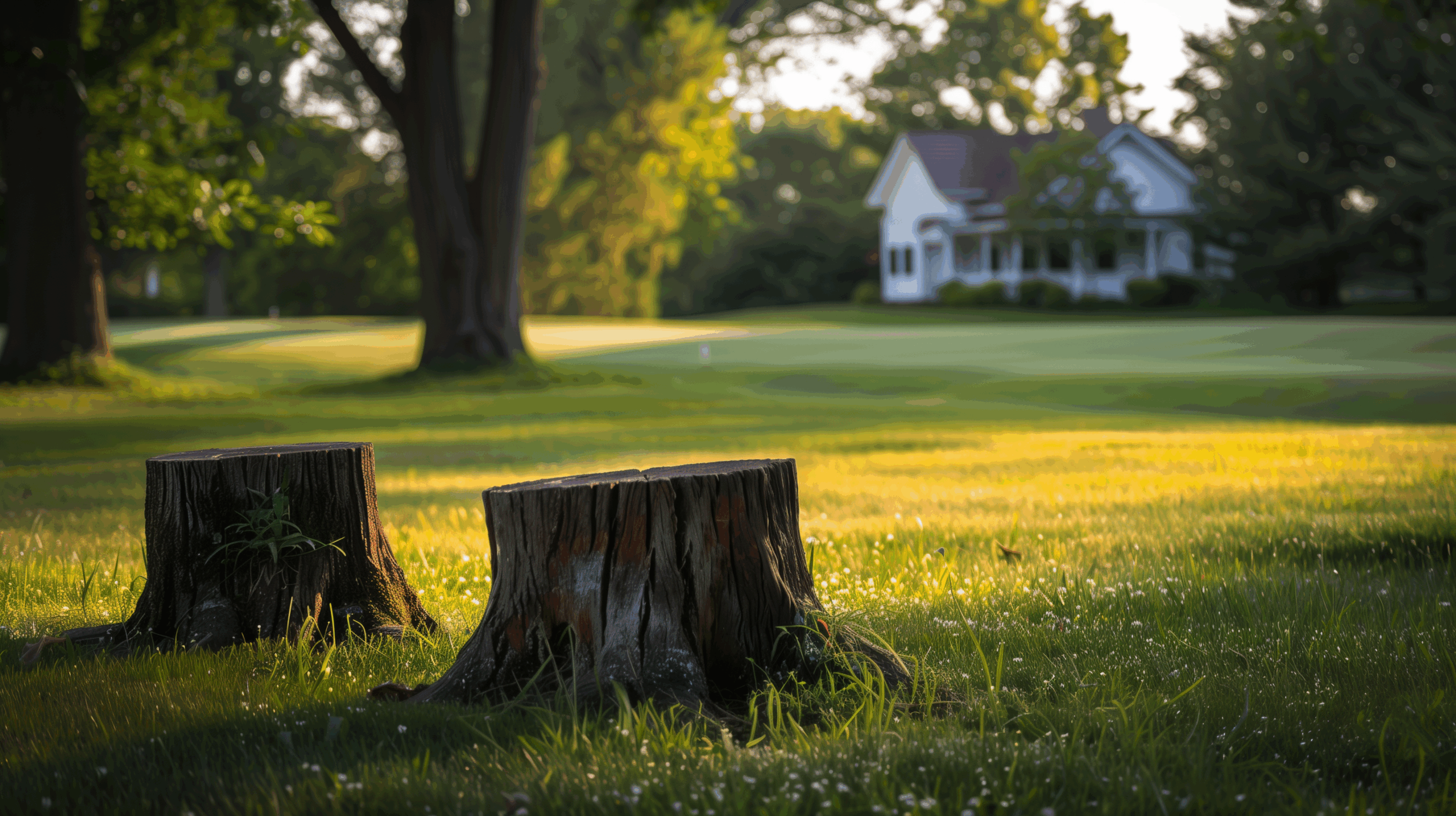
Maintain a Neat and Tidy Property
This article is perfect for homeowners who take pride in their landscaping. It targets the “Curb Appeal” and “Property Value” keywords, which are essential for reaching customers who are preparing to sell their homes or simply want the best-looking yard in the neighborhood.
You’ve invested time and money into your home’s exterior—fresh paint, manicured flower beds, and a lush green lawn. But if there’s an old, jagged stump sitting in the middle of your yard, it acts like a permanent “blemish” on an otherwise perfect landscape.
In Harrisonburg, Staunton, and Waynesboro, first impressions are everything. At Beaveroo, we help homeowners reclaim their property’s beauty through precision stump grinding that restores the natural flow of your landscape.
Even the most beautiful home in Augusta County can look neglected if it has old stumps rotting in the front yard. Stumps signal to neighbors and potential buyers that the property maintenance is unfinished. Removing them instantly shifts the vibe from “work-in-progress” to “professionally maintained.”
Thinking of selling? Real estate experts agree that high-quality landscaping can increase property value by up to 15%. A clean, stump-free lawn makes your property look more spacious and inviting. Buyers often see a stump as a “future expense” and may lower their offer accordingly. Beaveroo stump grinding is an affordable investment that pays for itself in home equity.
Stumps are space-killers. They dictate where you can’t walk, where you can’t plant, and where you can’t build. Once Beaveroo grinds that stump away, you gain a “blank canvas” in your Rockingham County yard to:
Extend your lush green turf.
Plant a vibrant new flower bed.
Install a clean stone walkway or patio.
Place a decorative birdbath or bench.
There’s no beauty in a patch of tall, ragged weeds growing around a stump because your mower can’t get close enough. By grinding the stump below the surface, we allow you to grow grass right over the spot. No more hand-trimming, no more obstacles—just a smooth, uniform lawn that’s easy to love.
We don’t just remove the eyesore; we prioritize the “after” picture. Our equipment is turf-friendly, meaning we won’t tear up your healthy grass while getting to the stump. We leave the site level and ready for whatever beauty you want to create next.
Ready to see your yard’s full potential? Contact Beaveroo today for a stump grinding estimate in Harrisonburg, Waynesboro, and Staunton!
Protect Your Investment
In the competitive real estate markets of Harrisonburg, Staunton, and Waynesboro, every detail matters. While you might see “just a stump,” a potential buyer sees a liability, an eyesore, and an extra bill they’ll have to pay after closing.
At Beaveroo, we’ve seen how professional stump removal can instantly shift a property from “fixer-upper” to “move-in ready.”
Negative Appraisal: Appraisers and buyers look for “deferred maintenance.” A rotting stump in an Augusta County yard suggests the rest of the property might not be well-kept.
The “Future Expense” Factor: Buyers often overestimate the cost of tree work. A $300 stump grinding job might lead a buyer to ask for a $1,000 credit at the closing table.
Wasted Square Footage: In smaller suburban lots in Rockingham County, every foot of usable yard counts. A stump makes a portion of the lawn useless for kids, pets, or gardening.
Stump grinding is one of the most cost-effective ways to boost your home’s “curb appeal” before a sale. For a small investment, you:
Remove “Deal Breakers”: Eliminate trip hazards and pest magnets that scare off cautious buyers.
Maximize Beauty: Create a seamless, lush lawn that looks amazing in listing photos.
Show Pride of Ownership: Prove that your property has been maintained to the highest standard.
Selling soon? Or just want to protect your investment? Call Beaveroo today for a quick estimate in Harrisonburg, Waynesboro, and Staunton!
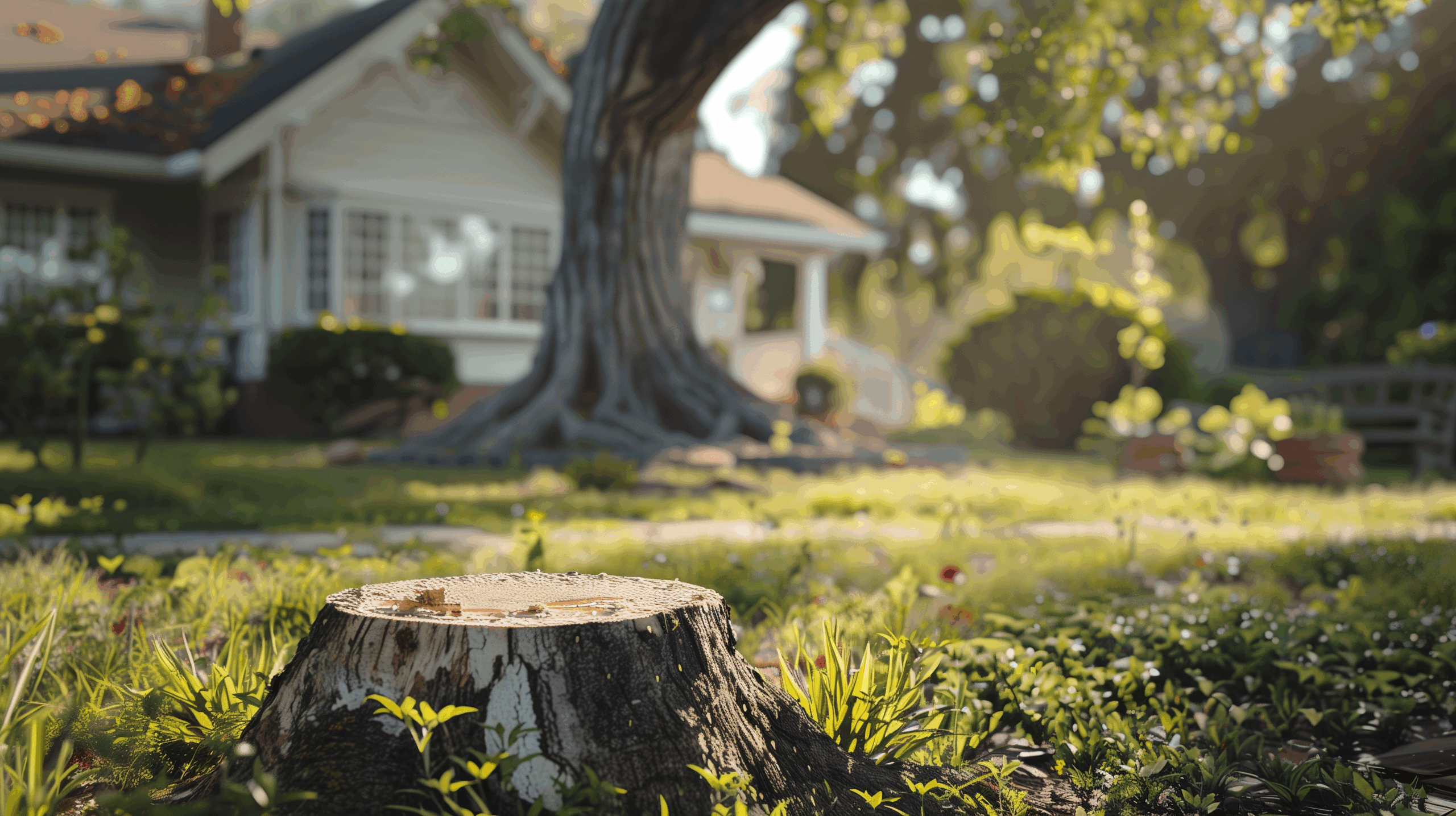
Pests like termites, ants, and beetles can move in within just a few weeks. Once established, they may spread to healthy trees or even your home’s foundation. Beaveroo recommends prompt grinding to protect your property.
Look for yellowing leaves, wilting, or early leaf drop on plants close to the stump. Fungal growth, such as mushrooms or decay at the stump’s base, often indicates harmful diseases.
Yes. Ignored stumps often lead to recurring regrowth, pest problems, and disease management — all of which add up over time. Taking care of them early keeps costs down and your landscape healthy.
Regrowing roots can push into foundations, driveways, or sidewalks, creating cracks and structural issues. Grinding stumps fully removes the root system before it causes costly damage.
In warm months, stumps attract pests and disease. In fall and winter, they hide under leaves or snow and become tripping hazards. During dry spells, they can even pose fire risks.